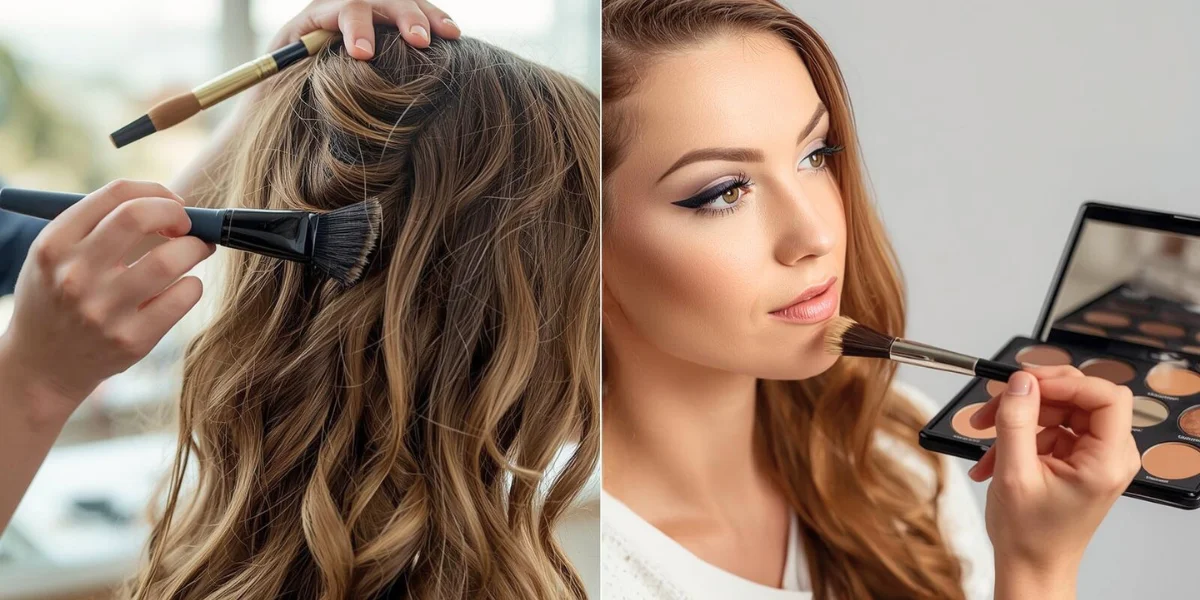


Learning makeup can be exciting, but beginners often struggle with techniques that affect the final look. Common makeup mistakes beginners make often involve choosing the wrong foundation shade, poor blending, skipping skincare preparation, or applying too much product.
The good news is that most of these issues are easy to fix once you understand how makeup works. With the right tools, proper skin preparation, and a simple routine, beginners can achieve smoother and more natural results.
Makeup Mistakes Beginners Make
Common makeup mistakes beginners make include choosing the wrong foundation shade, applying too much product, skipping skincare prep, and not blending properly. Below are the most frequent beginner makeup mistakes and practical ways to correct them.
- Choosing the Wrong Foundation Shade
Foundation is the base of every makeup look. When the shade does not match your skin undertone, the result looks unnatural. It can also affect how long makeup stays fresh, which is why many people wonder if makeup lasts on the face when the base is not matched properly.
Many beginners test foundation on their hands, which often has a different tone than the face.
How to fix it
- Test foundation on your jawline
- Check the color in natural lighting
- Match the shade to your neck, not your hand
Popular brands like MAC Cosmetics, Maybelline, and Fenty Beauty offer wide shade ranges designed to match different undertones.
- Skipping Skincare Before Makeup
Makeup sits directly on your skin. If the skin is dry, oily, or unprepared, foundation and concealer can look patchy.
Dermatology experts from the American Academy of Dermatology emphasize proper skincare as the foundation for healthy makeup application.
Basic skin prep routine
- Cleanser
- Moisturizer
- Sunscreen
- Primer
This routine improves makeup texture and longevity.
- Using Too Much Foundation
Many beginners believe that more foundation means better coverage. In reality, thick layers often cause cakey makeup.
Better approach
- Start with a thin layer
- Blend from the center outward
- Build coverage gradually
Using a beauty blender sponge or foundation brush helps distribute product evenly.
- Poor Blending
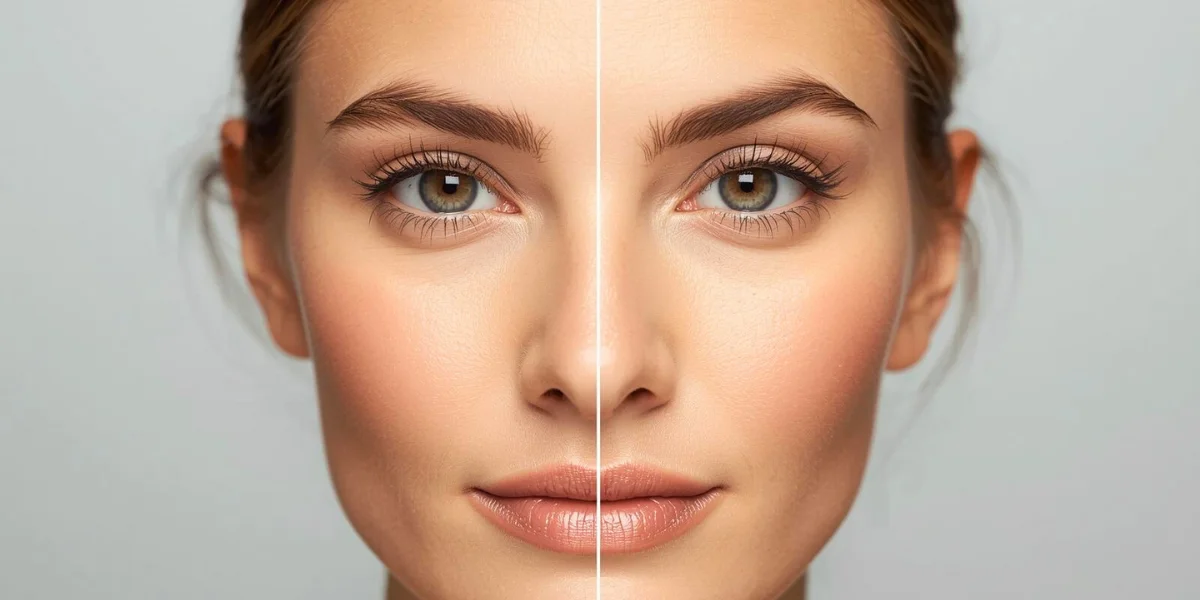
Blending is one of the most important makeup techniques. Harsh lines around blush, contour, or eyeshadow instantly reveal beginner makeup mistakes.
Professional makeup artists such as Lisa Eldridge recommend blending until product edges disappear into the skin.
Helpful tools
- Blending brush
- Beauty sponge
- Soft powder brush
- Overusing Powder
Powder helps control oil and improve makeup longevity, but too much can highlight fine lines and dry patches.
Where to apply Powder
- Nose
- Forehead
- Chin
Avoid heavy Powder on dry areas of the face.
- Applying Heavy Contour Too Early
Contouring is popular on social media, but it requires advanced blending techniques.
Beginners often create dark streaks instead of subtle shadows.
Beginner alternative
Use a light bronzer instead of strong contour lines.
Makeup artist Bobbi Brown often advises beginners to focus on natural skin enhancement rather than dramatic sculpting.
- Ignoring Lighting Conditions
Many makeup mistakes occur when makeup is applied in poor lighting.
Yellow indoor lighting can make the foundation appear different from the way it looks outdoors.
Best lighting for makeup
- Natural daylight near a window
- Neutral LED mirror lights
It helps prevent uneven makeup.
- Using Too Much Concealer
Applying thick concealer under the eyes is a common beginner mistake.
Excess product settles into fine lines, causing creasing.
Correct technique
- Apply small dots under the eyes
- Blend with a damp sponge
- Lightly set with translucent powder
- Choosing the Wrong Products for Your Skin Type
Skin type plays a big role in makeup performance.
| Skin Type | Common Mistake | Better Option |
| Oily skin | Heavy foundation | Matte formulas |
| Dry skin | Too much powder | Hydrating products |
| Combination skin | One product everywhere | Targeted products |
Understanding skin texture and oil control can dramatically improve makeup results.
- Copying Social Media Makeup Trends
Many beginners try to replicate the advanced looks seen online. However, professional lighting, editing, and expert techniques make those looks difficult to recreate.
Makeup artist Pat McGrath encourages beginners to focus on simple routines first.
Start with these basics
- Lightweight foundation
- Mascara
- Soft blush
- Neutral eyeshadow
- Natural lip color
Simple Beginner Makeup Routine
If you want a reliable daily routine, follow these steps:
- Cleanse and moisturize skin
- Apply primer
- Use a lightweight foundation
- Apply concealer where needed
- Set oily areas with powder
- Add blush or bronzer
- Apply mascara
- Finish with lip color
- Lock makeup with setting spray
This routine avoids common makeup application mistakes while keeping the look natural.
Quick Fix Table for Common Makeup Problems
| Problem | Cause | Quick Fix |
| Cakey foundation | Too much product | Use thinner layers |
| Patchy eyeshadow | Poor blending | Blend with clean brush |
| Makeup fades quickly | No primer or setting spray | Add both |
| Foundation separates | Oily skin | Use mattifying primer |
| Uneven color | Wrong foundation shade | Match undertone |
Tools Beginners Should Use
Makeup tools make a big difference in application quality.
Essential tools include:
- Beauty Blender sponge
- Foundation brush
- Blending brush
- Contour brush
- Setting spray
High-quality tools help distribute products evenly and improve blending.
FAQ’s
Q: What are the biggest makeup mistakes beginners make?
The most common mistakes include choosing the wrong foundation shade, skipping skincare preparation, applying too much foundation, poor blending, and overusing powder.
Q: Why does my makeup look cakey?
Cakey makeup usually occurs when too much foundation or powder is applied, or when skin is dry and not properly moisturized before makeup.
Q: What makeup mistakes make you look older?
Heavy powder, dark contour lines, thick concealer under the eyes, and overly matte foundation can emphasize fine lines and make skin look older.
Q: How do beginners improve makeup quickly?
Practice blending, use fewer products, properly prepare the skin, and focus on a simple makeup routine rather than complex techniques.
Q: What order should beginners apply makeup?
Cleanse, moisturize, apply primer, foundation, concealer, powder, blush, eye makeup, lip makeup, and finally, setting spray.
Q: What makeup products should beginners start with?
A beginner kit can include foundation, concealer, mascara, blush, lip color, and a basic eyeshadow palette.
Q: Why does makeup look different in daylight?
Indoor lighting changes color perception. Natural daylight reveals true shades and blending, which is why makeup applied in poor lighting can look uneven in natural light.
Conclusion
Most makeup mistakes beginners make are related to technique rather than expensive products. Issues like wrong foundation shade, poor blending, heavy powder, and skipping skincare can dramatically affect results.
The key to better makeup is simple:
- Prepare the skin properly
- Use lighter product layers
- Blend thoroughly
- Choose products suited to your skin type
With practice and the right tools, beginners can quickly move from uneven makeup to smooth, natural-looking results that enhance their features rather than hide them.