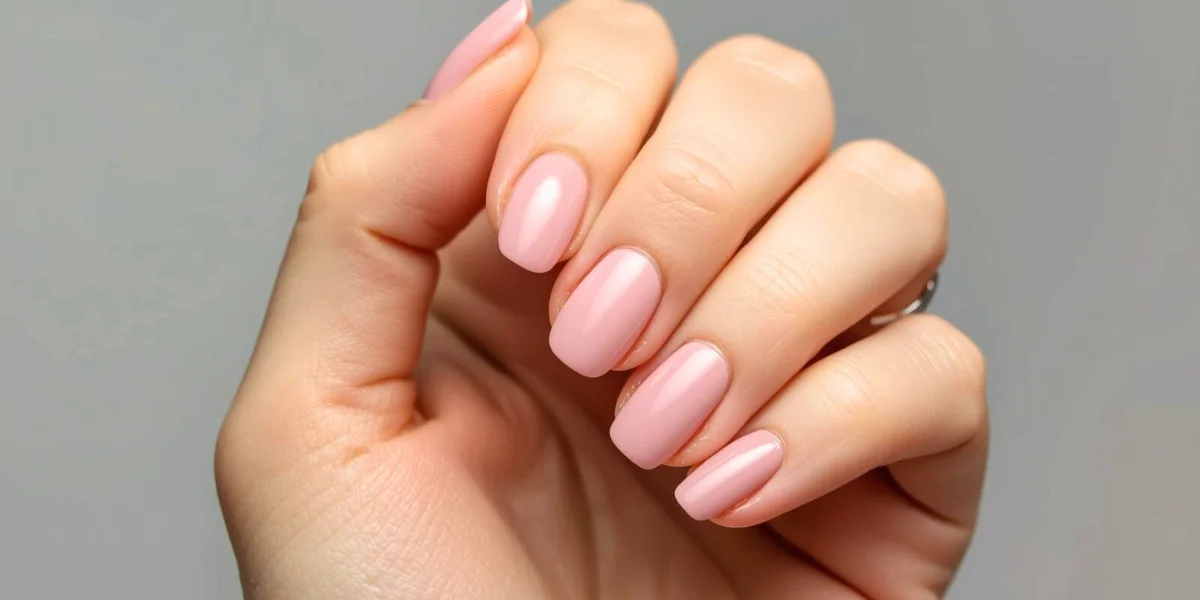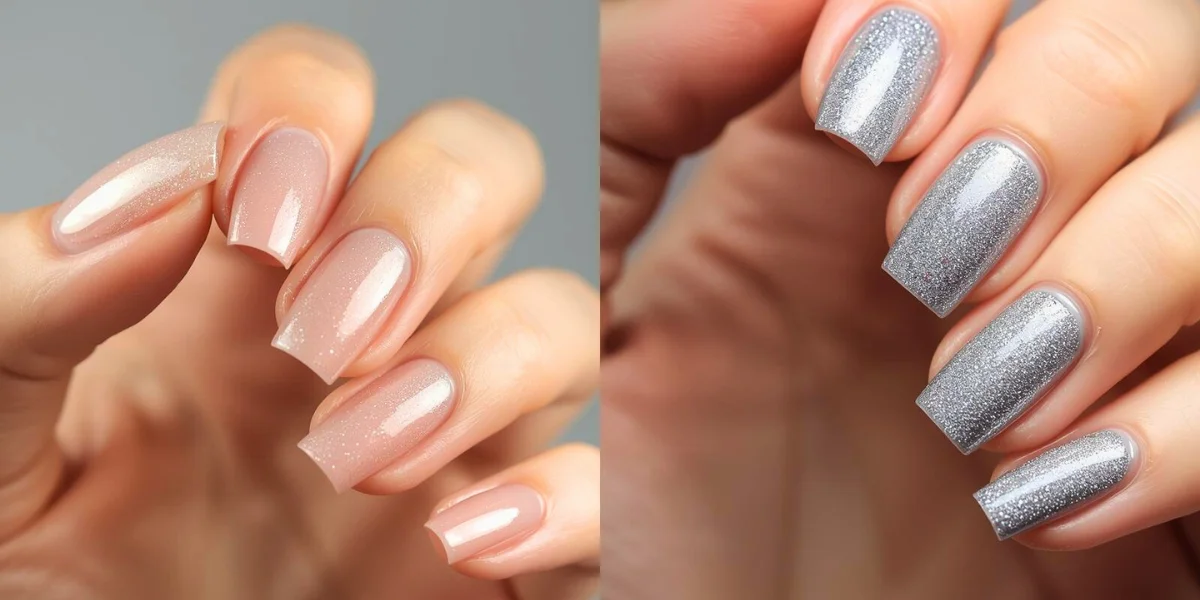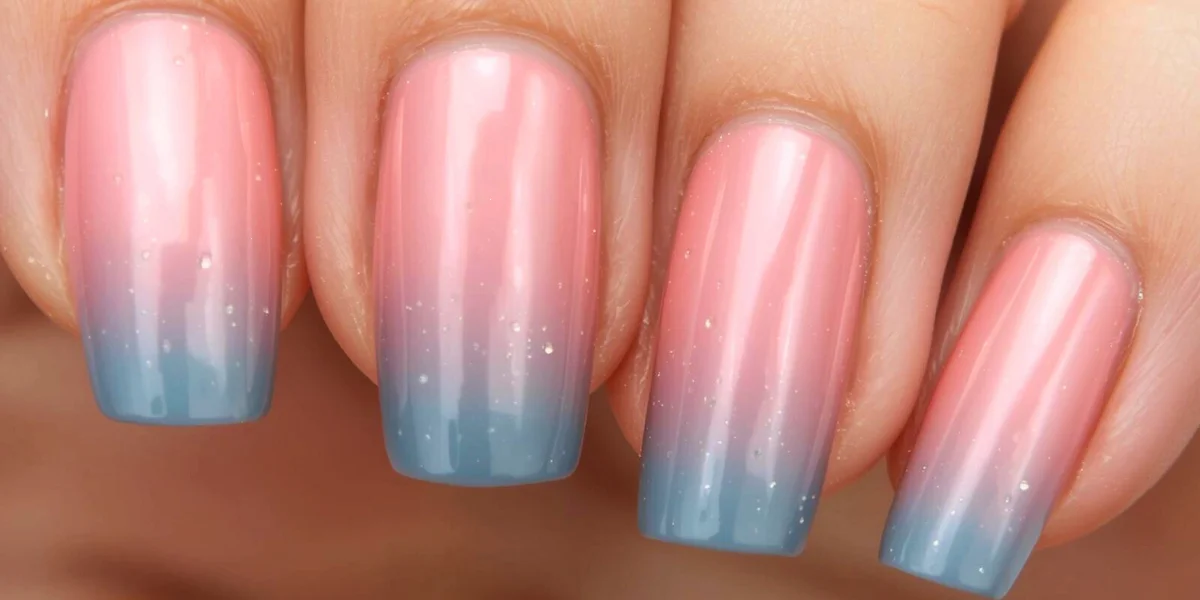

Yes, acrylic paint can be used for nail art, and many nail artists rely on it for detailed designs. Because it is highly pigmented and easy to control, acrylic paint allows precise lines, patterns, and hand-painted nail art that can be difficult to achieve with regular nail polish.
However, acrylic paint should not be applied directly to bare nails. It works best when used over a nail polish base coat and sealed with a protective top coat. It prevents chipping and keeps the design durable.
DIY nail art has become extremely popular, especially in the United States, where hand-painted nail designs are trending in beauty salons and at home. Understanding how acrylic paint works on nails can help you create professional-looking designs without expensive tools.
Can You Use Acrylic Paint for Nail Art?
Yes, acrylic paint can be used for nail art because it offers strong pigmentation and precise control for detailed designs. It should be applied over a base coat and sealed with a top coat to prevent chipping and improve durability.
What Is Acrylic Paint and Why Is It Used in Nail Art?
Acrylic paint is a water-based mixture of pigments and acrylic polymer. It dries quickly and forms a flexible layer.
For nail art, this type of paint offers several advantages:
- Strong color pigmentation
- Smooth application with thin brushes
- Easy blending and color mixing
- Quick drying time
- Simple cleanup with water before sealing
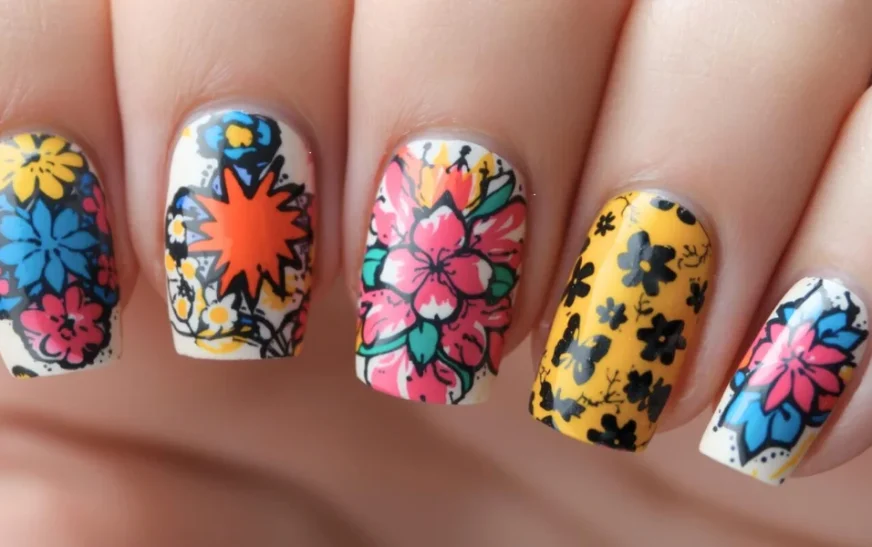
Because of these qualities, many nail technicians use acrylic paint to create intricate designs such as flowers, geometric patterns, 3D nail art, and miniature illustrations.
Is Acrylic Paint Safe for Nails?
In general, acrylic paint is safe for nail art when used properly.
The key safety rules include:
- Apply acrylic paint over nail polish or a base coat, not directly on bare nails.
- Use non-toxic craft or artist acrylic paint.
- Avoid applying it to broken or irritated skin.
- Always seal the design with a clear top coat.
The top coat acts as a protective barrier, preventing direct contact with the paint and improving durability.
Many nail salons use cosmetic-grade nail art paints, but acrylic paint remains a common choice for DIY nail art because it is affordable and easy to control.
Acrylic Paint vs Nail Polish for Nail Art
Both products can be used for nail designs, but they serve different purposes.
| Feature | Acrylic Paint | Nail Polish |
| Pigmentation | Very strong | Moderate |
| Best Use | Detailed designs | Base colors |
| Drying Time | Fast | Medium |
| Color Mixing | Easy | Limited |
| Durability | Needs top coat | Naturally durable |
Acrylic paint is excellent for fine artwork, while nail polish is usually better for full nail coverage. Many nail artists combine both: nail polish for the base and acrylic paint for the design.
How to Use Acrylic Paint for Nail Art
Creating nail designs with acrylic paint is simple if you follow the correct process.
Step 1: Prepare the Nails
Start with clean nails.
- Remove old polish
- File and shape the nails
- Apply a base coat
It protects the nail surface.
Step 2: Apply Base Colour
Use regular nail polish or gel polish as the base layer.
Let it dry completely before painting.
Step 3: Prepare the Acrylic Paint
Place a small amount of acrylic paint on a palette or foil.
If the paint is thick, mix in a drop of water.
Step 4: Use Nail Art Brushes
Use thin nail art brushes or a liner brush to create designs such as:
- Floral patterns
- Abstract art
- Lines and dots
- Cartoon characters
Dotting tools can also help create perfect circles.
Step 5: Allow the Paint to dry
Acrylic paint usually dries within a few minutes.
Step 6: Apply a Top Coat
Seal the design with a clear nail art top coat. This step is crucial for safeguarding the paint and ensuring the design lasts longer.
Essential Nail Art Tools
The right tools can make nail art easier and more precise.
Common tools include:
- Nail art brushes for thin lines
- Dotting tools for circular designs
- Nail stamping kits for patterns
- Nail art palettes for mixing colors
- Nail art pens for beginners
These tools help artists experiment with different nail art ideas and design styles. Professional manicurists and nail technicians often combine these tools to create detailed hand-painted nails.
Pros and Cons of Using Acrylic Paint on Nails
Before choosing acrylic paint for nail art, it’s helpful to understand its advantages and limitations.
Pros
- Affordable and widely available
- Excellent for detailed designs
- Easy to mix custom colours
- Mistakes can be wiped away before sealing
Cons
- Not as durable as gel polish
- Must be sealed with a top coat
- Cheap paints may crack or fade
- Not ideal for full nail coverage
For intricate nail designs, acrylic paint is often the better option. For long-lasting manicures, gel polish may be a better option.
How Long Does Acrylic Paint Last on Nails?
When properly sealed with a top coat, acrylic paint nail art can last 5 to 10 days.
Durability depends on several factors:
- Quality of the top coat
- Thickness of paint layers
- Daily activities such as washing dishes
- Exposure to water or chemicals
Applying two layers of top coat can significantly extend the life of the design.
Common Mistakes to Avoid
Many beginners struggle with acrylic paint nail art because of simple mistakes.
Avoid these common issues:
Skipping the top coat
It causes the paint to chip or wash off quickly.
Using thick paint
Thick paint creates uneven textures and cracks.
Painting on bare nails
Always use a base coat or nail polish base.
Using low-quality paint
Cheap craft paints may contain ingredients that do not adhere well to nails.
Alternatives to Acrylic Paint for Nail Art
If you want more durability or convenience, there are other options.
Popular alternatives include:
- Gel nail polish for long-lasting designs
- Nail art stamping polish for quick patterns
- Nail art pens for beginners
- Professional nail art paints are used in salons
Many nail technicians combine several products depending on the design complexity.
Nail Art Services in the United States
In the United States, nail salons frequently offer hand-painted nail art as part of manicure services.
Typical pricing includes:
| Service | Average Cost |
| Basic manicure | $20–$40 |
| Hand-painted nail art | $5–$20 per nail |
| Full custom nail set | $60–$120 |
Independent nail artists and mobile nail technicians often provide custom designs using acrylic paint or gel art paints.
FAQ’s
Q: Can acrylic paint damage your nails?
No, acrylic paint does not damage nails when used over a base coat and sealed with a top coat.
Q: Do nail technicians use acrylic paint for nail art?
Yes, many nail technicians use acrylic paint for detailed hand-painted designs because it offers excellent control and strong pigmentation.
Q: Is acrylic paint waterproof on nails?
Acrylic paint alone is not waterproof. A top coat is required to seal the design and protect it from water.
Q: Can beginners use acrylic paint for nail art?
Yes. Acrylic paint is beginner-friendly because mistakes can be wiped away with water before sealing.
Q: Can acrylic paint replace nail polish?
Not completely. Acrylic paint works best for designs, while nail polish or gel polish is better for the base colour.
Q: How do you remove acrylic paint from nails?
Before sealing, it can be washed off with water. After sealing, remove it with standard nail polish remover.
Q: What type of acrylic paint is best for nail art?
High-pigment, non-toxic artist acrylic paint works best because it provides strong colour and smooth application.
Conclusion
Acrylic paint is a practical and creative option for nail art. Its strong pigmentation, quick drying time, and flexibility make it ideal for detailed designs such as flowers, patterns, and miniature artwork.
When used correctly over a base coat and sealed with a top coat, acrylic paint can produce professional-looking nail art that lasts several days. While it may not replace nail polish or gel polish for full coverage, it remains one of the most versatile tools for DIY nail art and hand-painted designs.