
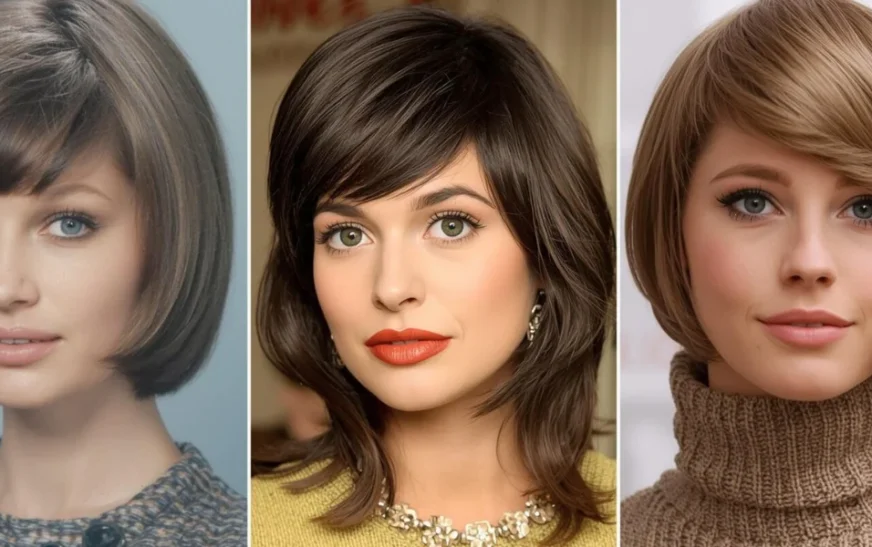
The 1960s were a decade of disruption, creativity, and cultural reinvention, and hair was at the center of it all. As music, fashion, and social movements reshaped everyday life, hairstyles became a powerful form of self-expression. From sculpted glamour to rebellious simplicity, 1960s hair trends reflected a generation breaking rules and redefining beauty.
Hair Trends from the 1960
Hair trends from the 1960s marked a turning point in fashion history. For the first time, hairstyles moved beyond tradition and became symbols of youth culture, rebellion, and modern identity. Big volume, sharp geometry, and expressive shapes defined the decade, and their influence is still visible today in salons, editorials, and pop culture.
What Defined 1960s Hairstyles
1960s hair trends were driven by contrast. Early in the decade, polished glamour dominated, with styles often adapted into chubby-faced hairstyles that used height and structure to balance facial proportions. By the late 1960s, looks loosened, reflecting social change and counterculture.
Key defining traits included:
- Height and volume, especially at the crown
- Clean, geometric cuts alongside dramatic updos
- A strong divide between structured and natural looks
Clear influence from music, fashion magazines, and television. This balance between control and freedom is what makes the decade so recognizable.
Why Hairstyles Changed So Dramatically
The shift wasn’t just aesthetic. Several cultural forces shaped how people wore their hair:
- Youth culture is gaining influence over fashion
- The rise of pop music and global celebrities
- Changing roles for women and evolving masculinity
- New tools like blow dryers, rollers, and aerosol hairspray
Hair became a visual language, signaling modernity, confidence, and independence.
Iconic 1960s Women’s Hairstyles
The Beehive
The beehive hairstyle became a symbol of formal glamour. Built high on the crown through teasing and heavy hold, it was dramatic and unmistakable.
Best for: Editorial looks, formal events
Modern tip: Reduce height and soften edges for wearability
The Bouffant
Often confused with the beehive, the bouffant was rounder and lower, offering volume without extreme height. It was popular for everyday elegance.
Difference between beehive and bouffant:
The beehive stacks upward; the bouffant spreads volume outward.
The Pixie Cut
Short, cropped, and bold, the pixie cut of the 1960s challenged traditional beauty norms. It emphasized facial features and individuality.
Who it suits today:
Those wanting low-maintenance hair with strong shape and attitude.
Long, Tousled Hair
Later in the decade, longer hair with center parts and loose volume gained popularity. This look aligned with freedom, youth movements, and relaxed glamour.
Defining 1960s Men’s Hairstyles
The Mop Top
Perhaps the most recognizable men’s style of the decade, the mop top featured straight hair with a rounded fringe. It signaled a break from conservative grooming.
Cultural impact:
It normalized longer hair for men globally.
Mod Haircuts
Sharp, precise, and intentional, modern haircuts favored clean lines and structure. These geometric haircuts paired well with tailored fashion.
Slicked-Back Styles
In the early 1960s, men still wore slicked-back hair, but the look faded as youth-driven styles took over.
Tools and Styling Methods of the Era
1960s hairstyles relied heavily on technique and product. Common tools included:
- Teasing combs for crown volume
- Rollers to set the shape
- Blow-drying for control
- Aerosol hairspray for long-lasting hold
Hair health note: Excessive teasing caused breakage then, and still can today. Modern adaptations should prioritize hair integrity.
How to Recreate a 1960s Hairstyle Today
For a modern 1960s-inspired look:
- Start with clean, dry hair
- Add volume at the crown using light backcombing
- Smooth the top layer gently
- Shape ends with soft waves or inward bends
- Use flexible-hold spray instead of rigid finishes
Best approach: Aim for inspiration, not imitation.
Wearability: Then vs Now
Not every 1960s hairstyle fits modern life. A simple decision framework helps:
- Everyday wear: Soft bouffants, relaxed pixies
- Events: Structured updos, vintage waves
- Editorial or costume: Full beehives, exaggerated volume
Face shape, hair texture, and lifestyle all matter more today than strict accuracy.
Common Mistakes to Avoid
- Over-teasing fine hair
- Using heavy products that flatten volume
- Ignoring modern hair health standards
- Confusing 1960s styles with 1950s or 1970s looks
Subtlety is what makes retro styles feel current.
FAQ’s
Q: What hairstyles were popular in the 1960s?
Beehives, bouffants, pixie cuts, mop tops, and long center-parted styles were the most popular.
Q: Why were 1960s hairstyles so big?
Volume symbolized glamour, confidence, and modern femininity during a period of rapid cultural change.
Q: Are 1960s hairstyles still fashionable today?
Yes. Many modern looks borrow softened elements from 1960s styles.
Q: What haircut did women wear in the 1960s?
Women wore a mix of short pixie cuts and voluminous updos, depending on the era and influence.
Q: How did men’s hair change in the 1960s?
Men’s hair became longer and more expressive, breaking from conservative grooming norms.
Q: What’s the easiest 1960s hairstyle to recreate?
A modern bouffant with light crown volume is the most wearable and accessible.
Q: Do 1960s hairstyles work for fine hair?
Yes, with volumizing products and minimal teasing to avoid damage.
Conclusion
Hair trends from the 1960s weren’t just about style; they reflected a generation redefining identity. From sculpted glamour to relaxed rebellion, the decade introduced techniques and attitudes that still shape modern hair. By adapting volume, respecting hair health, and focusing on inspiration rather than replication, these iconic looks remain relevant, wearable, and endlessly influential.