
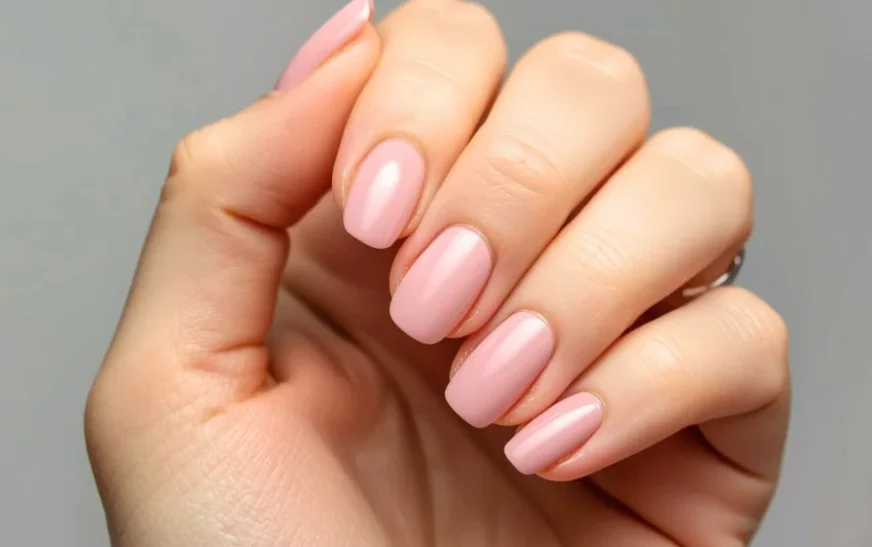
Nail enhancements have become a major part of modern beauty routines, offering long-lasting manicures that go beyond regular nail polish. From gel nails to acrylic extensions, salons now provide several options designed to improve durability, shine, and nail length. Among these options, solar nails are frequently recommended for people who want a strong manicure that keeps its polished look for weeks.
What Are Solar Nails?
Solar nails are a type of acrylic nail enhancement made by mixing acrylic powder with a liquid monomer to form a durable protective layer over natural nails. They are most commonly used to create long-lasting French manicure styles with a pink base and white tip built directly into the nail structure.
Unlike regular nail polish, the color is part of the material itself, which makes solar nails resistant to chipping and fading. Many nail salons offer them as a premium manicure option for clients who want strong, glossy, and long-lasting artificial nails.
Solar nails are popular in professional salons because they combine the strength of acrylic nails with the polished appearance of a salon-quality French manicure.
How Solar Nails Work
Solar nails rely on a chemical reaction between acrylic polymer powder and liquid monomer. When mixed, they form a moldable bead that hardens in the air. This hardened layer creates a strong nail overlay or extension on top of natural nails, which can be shaped for various styles, including short nail designs that require durability and a clean finish.
Key components used
- Acrylic polymer powder
- Liquid monomer
- Nail sculpting brush
- Nail file and buffer
- Nail drill (for shaping)
Professional nail technicians often use products from well-known brands such as CND (Creative Nail Design), OPI, Young Nails, and Kiara Sky. Once the mixture hardens, it becomes a rigid structure that protects and strengthens the nail.
Solar Nails vs Acrylic Nails vs Gel Nails
Many people often mistake solar nails for regular acrylic or gel nail enhancements. The table below clarifies the differences.
| Feature | Solar Nails | Acrylic Nails | Gel Nails |
| Material | Premium acrylic system | Acrylic powder + monomer | Gel polymer |
| Finish | Natural French manicure | Custom designs | High-gloss finish |
| Durability | Very strong | Strong | Flexible |
| Curing method | Air-cured | Air-cured | UV or LED lamp |
| Maintenance | Fill every 2–3 weeks | Fill every 2–3 weeks | Reapply every 2–3 weeks |
Solar nails are essentially a specialized acrylic system, often preferred for French manicure designs because the color layers are built into the nail.
How Solar Nails Are Applied
The application process usually takes 45 to 60 minutes in a nail salon.
Step-by-step process
- Nail preparation
- Hands are sanitized, cuticles pushed back, and natural nails lightly filed.
- Nail tip application (optional)
- Extensions may be added if longer nails are desired.
- Acrylic mixture application
- A bead of acrylic powder and monomer liquid is placed on the nail.
- Sculpting the nail
- The technician shapes the material with a brush.
- Hardening and shaping
- The nail hardens naturally, then is filed and buffed.
- Finishing touches
- The surface is polished and sealed for a glossy finish.
Unlike gel nails, solar nails do not require UV light to cure.
Benefits of Solar Nails
Solar nails are popular for several reasons.
- Long-lasting manicure
They can last three to four weeks with proper maintenance.
- Strong nail structure
The acrylic layer adds durability and helps prevent nail breakage.
- Built-in color
Because the color is embedded in the material, it does not chip like nail polish.
- Classic French manicure look
Solar nails are ideal for clients who prefer elegant pink and white nail designs.
- Refillable system
Instead of replacing the entire set, technicians can perform nail fills as the natural nail grows.
Potential Risks and Drawbacks
Although solar nails are durable, there are a few concerns to consider.
Possible drawbacks
- Nails may feel thicker than natural nails
- Improper removal can weaken natural nails
- Lifting may occur if maintenance is skipped
- Chemical smell during application
Experts from organizations such as the American Academy of Dermatology advise having artificial nails applied and removed by trained professionals to prevent nail damage or infection.
Maintaining proper nail hygiene is essential.
Solar Nails Cost
Prices vary depending on the salon, technician experience, and location.
| Region | Typical Price |
| United States | $40 – $70 |
| United Kingdom | £35 – £60 |
| Canada | $45 – $75 CAD |
| Asia | $20 – $50 |
Nail art, extensions, or premium salon services may increase the price.
Many people search for “solar nail salon near me” to find local technicians who offer the service.
How Long Solar Nails Last
Solar nails typically last 3 to 4 weeks before a refill is needed.
The growth of the natural nail creates a gap near the cuticle. During a refill appointment, the technician adds new acrylic material to maintain the structure.
Skipping refills may lead to lifting or breakage.
Solar Nail Maintenance Tips
Proper care helps solar nails last longer and protects natural nails.
Daily care checklist
- Apply cuticle oil regularly
- Avoid using nails as tools
- Wear gloves when cleaning
- Keep nails dry after washing hands
- Schedule regular salon fills
Routine maintenance keeps nails looking fresh and prevents lifting.
Who Should Get Solar Nails?
Solar nails are ideal for people who:
- Want long-lasting manicures
- Prefer French manicure styles
- Need strong nail extensions
- Visit nail salons regularly for maintenance
They are especially popular among clients who want durable nails without frequent polish touch-ups.
Alternatives to Solar Nails
If solar nails are not the right fit, several alternatives exist.
Gel nails
Flexible, glossy nails cured with UV or LED light.
Dip powder nails
A powder-based system that offers durability without sculpting.
Traditional acrylic nails
Highly customizable artificial nails are used for extensions and nail art.
Each option provides different levels of strength, flexibility, and maintenance.
FAQ’s
Q: What is the difference between solar nails and acrylic nails?
Solar nails are a specialized form of acrylic nails designed mainly for French manicures. They use similar materials but often include pre-colored pink and white powders.
Q: Are solar nails bad for your natural nails?
They are generally safe when applied and removed by a professional nail technician. Damage usually happens when nails are ripped off or improperly filed.
Q: How long do solar nails last?
Solar nails typically last three to four weeks before requiring a refill.
Q: Do solar nails require UV light?
No. Solar nails harden naturally through a chemical reaction between acrylic powder and monomer liquid.
Q: Can solar nails be filled?
Yes. Nail technicians usually perform fills every two to three weeks to maintain the manicure.
Q: Are solar nails waterproof?
They resist water but should not stay wet for long periods, as moisture can cause lifting.
Q: How do you remove solar nails safely?
Solar nails are usually removed by soaking them in acetone to soften the acrylic before gently filing away the material.
Q: Are solar nails better than gel nails?
It depends on preference. Solar nails are stronger and more durable, while gel nails are lighter and more flexible.
Conclusion
Solar nails remain a popular option in the nail salon industry for clients seeking strong, long-lasting manicures. Made from an acrylic powder and monomer system, they create durable nail overlays or extensions that maintain a polished French manicure appearance for weeks.
While they require regular maintenance and professional removal, solar nails provide a reliable solution for people who want elegant, chip-resistant nails. Understanding how they work, their cost, and their benefits helps you decide whether this manicure style fits your beauty routine.