
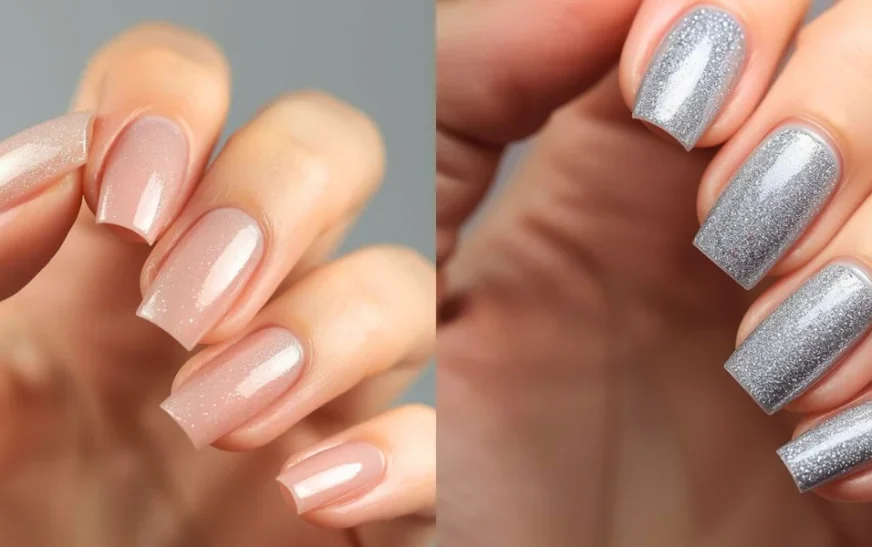
Modern manicures offer many ways to strengthen and enhance natural nails. Still, two of the most popular options are acrylic and dip powder systems. Both provide long-lasting results, stronger nails, and a polished look that regular nail polish cannot achieve.
However, the techniques, materials, and overall results differ, which is why many people search for a clear comparison before choosing a salon service.
Acrylic vs Dip Nails
Acrylic nails are created by mixing liquid monomer and polymer powder to sculpt strong nail extensions. In contrast, dip nails use resin adhesive and colored powder layers for a durable manicure. Acrylics are better for long extensions, whereas dip nails feel lighter and work best on natural nail length.
What Are Acrylic Nails?
Acrylic nails are one of the most established nail enhancement methods used in professional nail salons. They are created when a liquid monomer reacts with polymer powder, forming a thick paste that hardens in the air.
A nail technician applies this mixture over the natural nail plate or on top of nail tips to create extensions. Once hardened, the nail is shaped using a nail file or electric nail drill, then finished with polish or gel top coat.
Common features of acrylic nails include:
- Strong and rigid structure
- Ideal for long nail extensions
- Supports dramatic shapes such as coffin, almond, or stiletto
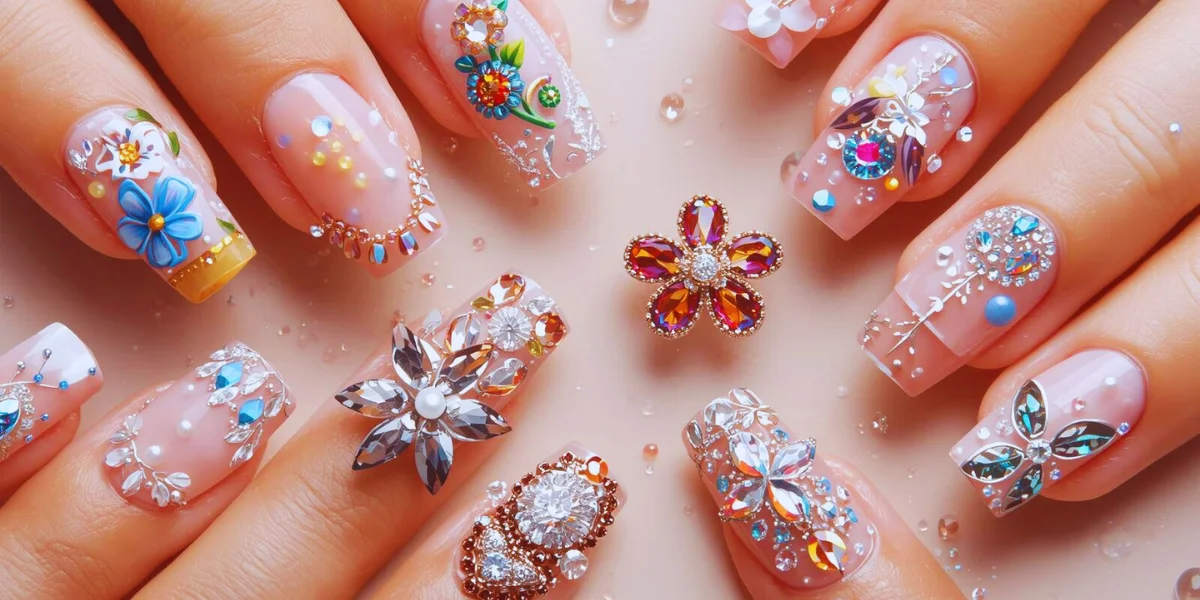
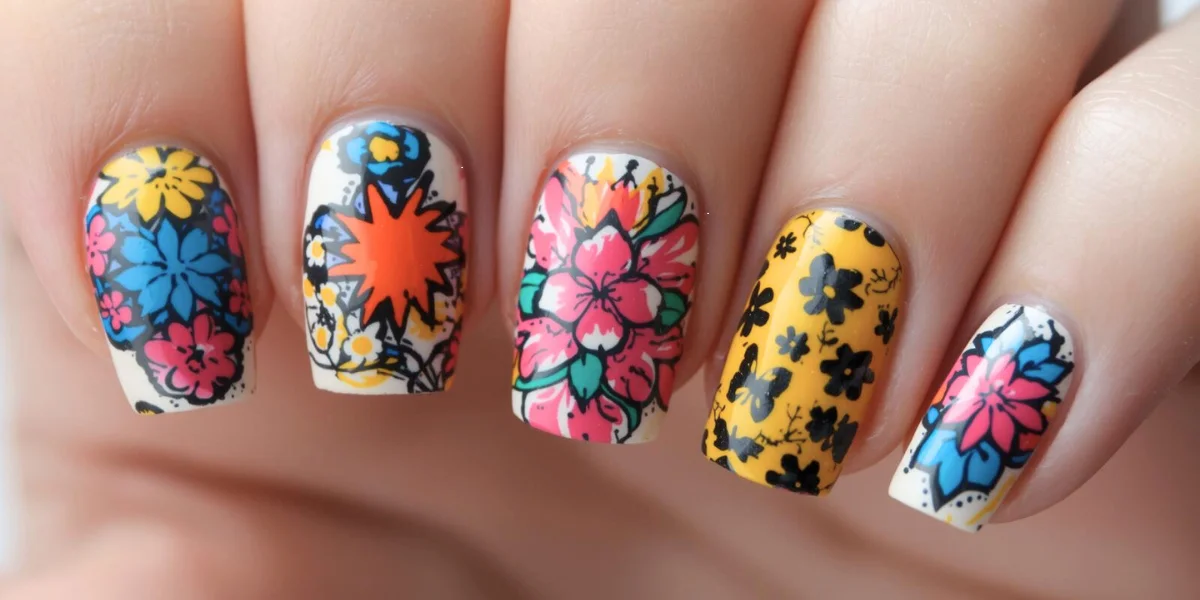
- Works well with detailed nail art
Because of their strength, acrylic nails are often chosen by people who want bold manicures or extra length.
What Are Dip Powder Nails?
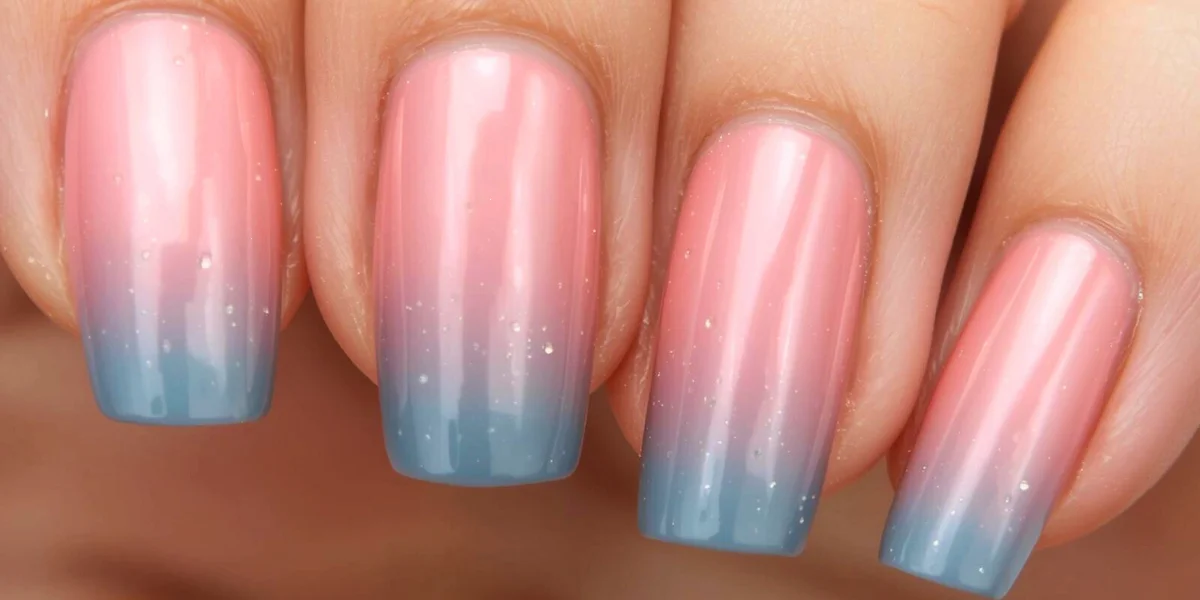
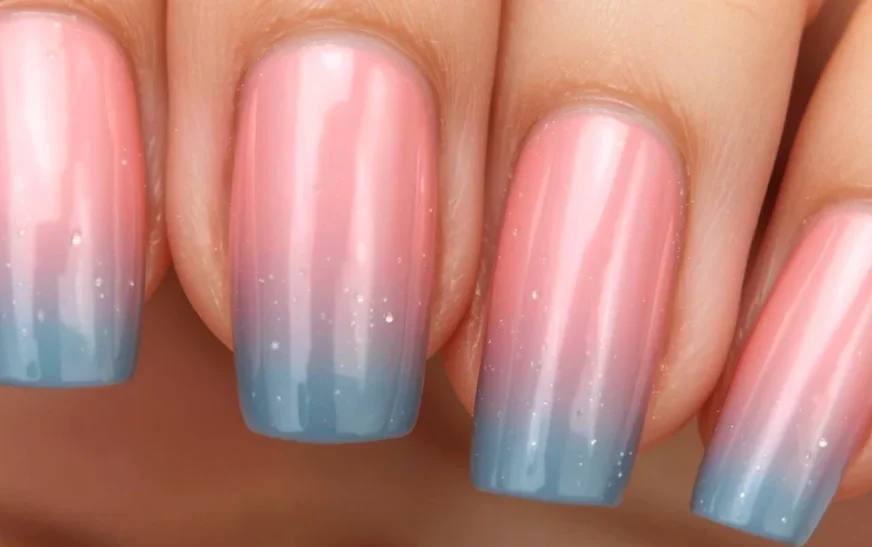
Dip powder nails use a different system that combines resin adhesive with finely milled colored powder. Instead of sculpting with a paste, the nail is coated with adhesive and dipped into powder multiple times to build layers. This technique also works well for creative styles like Ombre Nails, where blended colors create a soft gradient effect.
An activator solution then hardens the layers into a strong nail overlay.
Dip powder manicures are known for:
- Lightweight feel
- Smooth and glossy finish
- Faster application compared to acrylic systems
- Minimal odor during the manicure
Many people consider dip powder a hybrid option between gel nails and acrylic enhancements because it provides strength without the heavy structure of acrylic.
Key Differences Between Acrylic and Dip Powder Nails
| Feature | Acrylic Nails | Dip Powder Nails |
| Application | Monomer liquid + polymer powder | Resin adhesive + powder layers |
| Nail Length | Best for long extensions | Ideal for natural nails |
| Strength | Very strong | Strong but slightly flexible |
| Odor | Noticeable chemical smell | Minimal smell |
| Application Time | 60–90 minutes | 40–60 minutes |
Both options are long-lasting manicure techniques designed to strengthen nails and prevent chipping.
Pros and Cons of Acrylic Nails
Advantages
Acrylic nails remain a favorite in salons because they offer flexibility in design.
Benefits include:
- Excellent durability
- Perfect for long nail shapes
- Can support intricate nail art
- Can be refilled instead of fully replaced
For clients who love dramatic manicures, acrylic is often the best option.
Disadvantages
However, acrylic nails are not perfect.
Possible drawbacks include:
- Strong smell from the monomer liquid
- Heavier feel compared with dip powder
- Risk of nail damage if removal is rushed
Improper filing of the nail plate is the most common cause of weakened natural nails.
Pros and Cons of Dip Powder Nails
Advantages
Dip powder systems have become popular because they combine durability with comfort.
Key benefits include:
- Lightweight manicure
- Quick salon application
- Long-lasting color and shine
- Less chemical odor during the service
For people who prefer a natural appearance, dip powder can be a good choice.
Disadvantages
Despite its popularity, dip powder also has limitations.
Some potential downsides include:
- Less suitable for very long extensions
- Harder to sculpt complex nail shapes
- Hygiene concerns if salons reuse dip powder containers
Many professional technicians prevent contamination by sprinkling powder rather than dipping the nail directly.
Durability: Which Lasts Longer?
Both manicure systems typically last three to four weeks, depending on nail growth and daily activities.
Acrylic nails usually provide stronger support for long extensions, while dip powder offers flexibility that reduces the chance of cracking.
Proper nail care significantly affects longevity. Simple habits such as applying cuticle oil, avoiding harsh chemicals, and wearing gloves during cleaning can extend the life of any manicure.
Nail Health and Safety
Acrylic and dip powder nails are generally safe when applied correctly by trained nail technicians. Problems usually occur when nails are removed improperly.
Common issues include:
- Over-filing the natural nail
- Peeling off nail enhancements
- Poor sanitation in salons
- Allergic reactions to adhesives
Most enhancements are removed using an acetone soak, which safely dissolves the product without damaging the nail.
Dermatologists often suggest giving nails occasional breaks from artificial enhancements to support long-term nail health.
Average Cost of Acrylic vs Dip Nails
Prices vary around the world depending on salon location and design complexity.
Typical price ranges include:
| Region | Acrylic Nails | Dip Powder Nails |
| United States | $40–$80 | $35–$70 |
| United Kingdom | £30–£60 | £25–£55 |
| Australia | $50–$90 AUD | $45–$80 AUD |
| South Asia | Lower pricing range | Lower pricing range |
Long extensions or intricate nail art can increase the total cost significantly.
How Each Manicure Is Applied
Acrylic Nail Application
- Natural nails are cleaned and shaped.
- Nail tips or nail forms are applied if extensions are desired.
- The monomer and polymer mixture is placed on the nail.
- The technician sculpts the shape.
- Nails are filed, buffed, and polished.
Dip Powder Nail Application
- Nails are lightly buffed.
- Base resin adhesive is applied.
- The nail is dipped into colored powder.
- Layers are repeated to build thickness.
- An activator hardens the manicure.
- The surface is sealed with a glossy top coat.
FAQ’s
Q: Are dip nails better than acrylic?
Dip nails feel lighter and require less sculpting, but acrylic nails are stronger and better for long nail extensions.
Q: Which lasts longer, dip or acrylic nails?
Both usually last three to four weeks with proper maintenance.
Q: Do dip nails damage natural nails?
Damage usually occurs from improper removal or aggressive filing rather than the dip powder system itself.
Q: Are acrylic nails stronger than dip nails?
Yes. Acrylic nails create a more rigid structure, making them stronger for long extensions.
Q: Can dip powder extend nail length?
Dip powder is primarily used as a nail overlay on natural nails, but can support short extensions.
Q: How much do dip powder nails cost?
Prices typically range from $35 to $70, depending on location and design complexity.
Q: Are acrylic nails safe?
Yes, acrylic nails are safe when applied by trained nail technicians and removed with proper acetone soak methods.
Conclusion
Both acrylic and dip powder nails offer long-lasting manicures that protect and enhance natural nails. Acrylic nails are ideal for dramatic length and sculpted designs, while dip powder provides a lightweight and natural-looking finish.
Choosing the right option depends on your nail goals, lifestyle, and maintenance preferences. Working with a skilled nail technician and following proper nail care routines will ensure healthy, beautiful nails, no matter which manicure system you choose.