
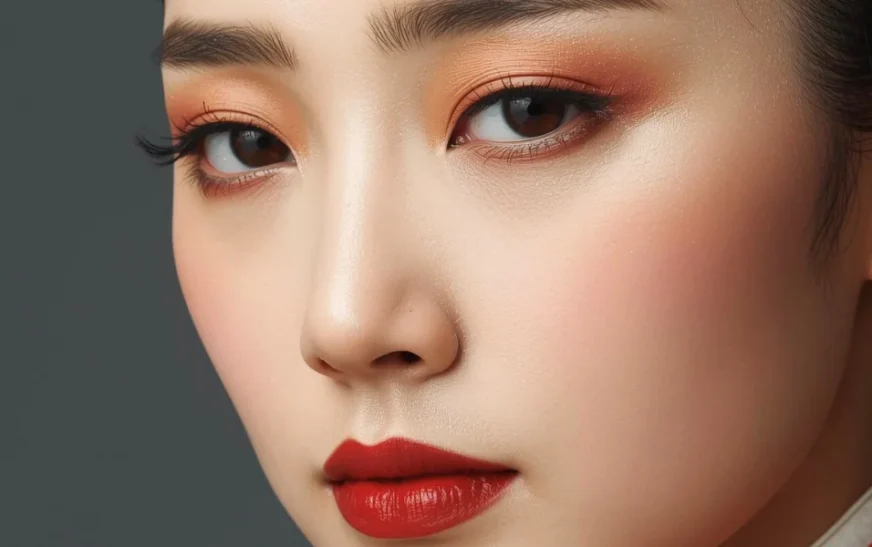
Ancient Chinese makeup reflects centuries of artistry, culture, and social symbolism. From the subtle elegance of the Song dynasty to the vibrant creativity of the Tang dynasty, cosmetics were more than beauty tools; they communicated status, rituals, and personal expression.
Women and artisans carefully selected powders, pigments, and accessories, creating looks that aligned with social norms and aesthetic ideals of their era.
Ancient Chinese Makeup
Ancient Chinese makeup refers to the traditional cosmetics, tools, and techniques used by women across dynasties to enhance beauty, signify social status, and express cultural identity. It combines powders, pigments, and decorative accents for artistic and ceremonial purposes.
Historical Overview
Han and Wei Dynasties
In the Han (206 BCE–220 CE) and Wei (220–589 CE) periods, makeup focused on achieving a pale skin tone with rice powder. Rouge was minimal, applied subtly to the cheeks, while lip color came from natural plant dyes.
These practices reflected social hierarchy, with noblewomen showcasing elaborate looks and commoners favoring simplicity.
Tang Dynasty: The Pinnacle of Expression
The Tang dynasty (618–907 CE) emphasized bold, artistic makeup. Women adorned their faces with Hua Dian, decorative forehead accents, and applied rouge dots to cheeks and lips.
Kohl eyeliner highlighted eyes, and mineral pigments provided long-lasting color. These techniques conveyed sophistication and elegance, inspiring poetry, art, and cultural storytelling, and they also offer valuable insights for modern crossdressing makeup tips.
Song Dynasty: Subtle Refinement
During the Song dynasty (960–1279 CE), makeup became understated. A pale complexion remained desirable, but blush and lip color were softer. Eyes were subtly enhanced, emphasizing natural beauty over dramatic contrast.
This era marked a shift toward delicacy, aligning with cultural values of modesty and refinement.
Ming Dynasty: Rituals and Refinement
The Ming dynasty (1368–1644 CE) formalized makeup for court and ceremonial use. Women applied powders and pigments with meticulous precision, often in ritualistic settings. Decorative elements, such as intricately styled hair and ornamental combs, signified social status and role within imperial society.
Key Techniques and Tools
Face Whitening and Powders
- Rice powder and pearl powder brightened the complexion.
- Tools included soft brushes and powder puffs.
- Goal: flawless, pale skin signaling nobility.
Eye Definition
- Kohl eyeliner defined and elongated the eyes.
- Light shadows enhanced depth while maintaining balance with overall facial harmony.
Lip and Cheek Color
- Plant-based dyes provided red or rose hues.
- Subtle placement reflected dynastic style preferences.
Hair Adornments and Wigs
- Elaborate hairpins, combs, and wigs denoted rank and ceremonial roles.
- Hairstyles varied by dynasty, occasion, and region.
Materials and Ingredients
| Ingredient | Use | Notes |
| Rice powder | Face whitening | Natural, non-irritating alternative |
| Pearl powder | Skin brightening | Highly valued for its luminescence |
| Mineral pigments | Lips, cheeks, eyes | Long-lasting, mixed for custom shades |
| Plant dyes | Rouge, lip color | Beetroot, safflower, and other natural sources |
| Fragrances | Skin scent | Jasmine, rose, sandalwood for luxury appeal |
Cultural Significance
Makeup signified more than beauty. Pale skin, defined eyes, and red lips communicated status, marital eligibility, and social role. Rituals incorporated specific cosmetic elements during festivals, weddings, and religious ceremonies, reflecting deep cultural symbolism. Gender and age dictated style nuances, with young noblewomen often adopting more elaborate applications.
Modern Re-Creation
Tools and Products Needed:
- Rice powder or modern alternatives
- Natural lip tints (rose, beetroot)
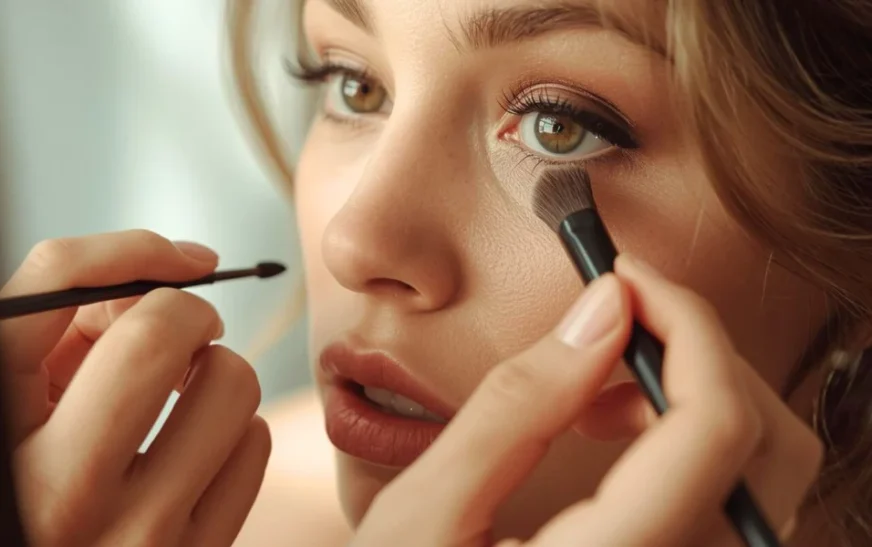
- Soft brushes for blush and eyes
- Decorative forehead accents (Hua Dian)
Step-by-Step Application:
- Cleanse and moisturize skin
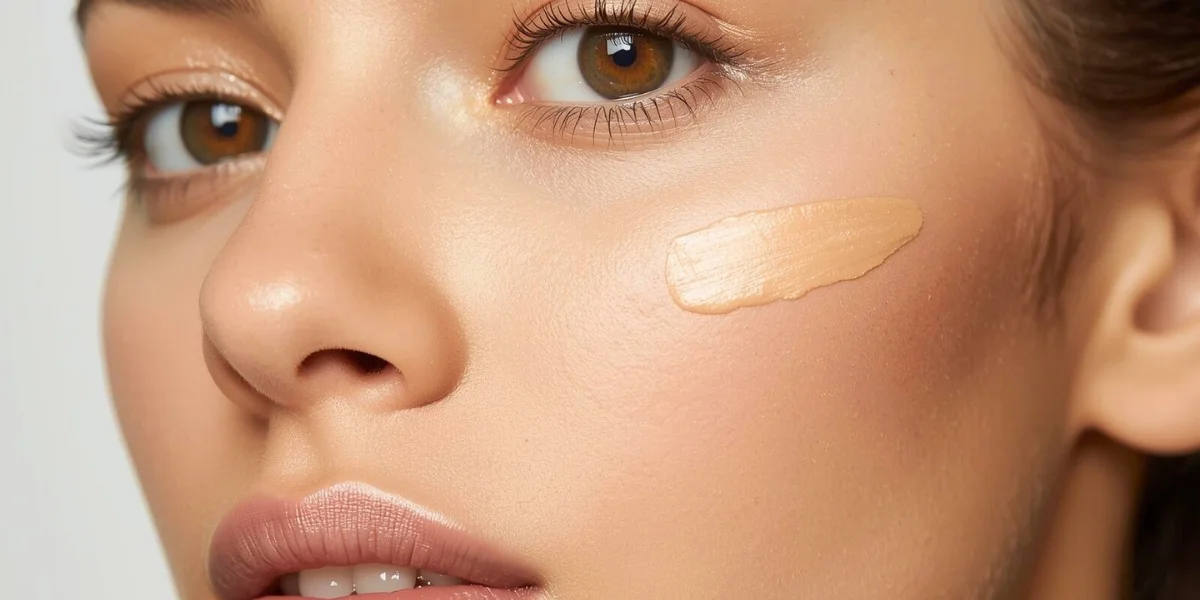
- Apply the pale base evenly
- Add a subtle blush to the cheeks
- Define eyes with eyeliner or soft shadows
- Apply lip color naturally
- Place decorative accents symmetrically
Common Mistakes:
- Overapplying powder or pigment
- Ignoring the symmetry of decorative designs
- Using harsh, unsafe materials
Pricing and Availability:
- DIY kits: $10–50 globally
- Hands-on workshops: $30–150 depending on location
- Museum tours or historical demonstrations: $5–20
Modern Adaptations and Trends
Historical Chinese makeup inspires contemporary products and media:
- Film & TV: Tang and Ming-inspired makeup for period dramas
- Cosmetic lines: Palettes and kits reflecting traditional colors
- Workshops: Beijing and Shanghai offer hands-on classes in recreating authentic historical looks
Risks and Safety
Traditional lead-based powders are hazardous. Modern alternatives with natural pigments are recommended. Patch testing and proper hygiene prevent irritation. Knowledge of historical context ensures accurate and safe application.
FAQ’s
Q: What is Hua Dian?
Hua Dian is a decorative forehead ornament used in Tang and Ming dynasty makeup to enhance elegance and indicate social status.
Q: How did Chinese women apply makeup in the Tang dynasty?
They used rice powder for pale skin, rouge dots on cheeks and lips, kohl eyeliner, and decorative forehead accents for artistic effect.
Q: Are ancient Chinese makeup ingredients safe today?
Traditional lead-based powders are unsafe. Modern equivalents use natural pigments and plant-based dyes for safe use.
Q: How can I recreate Ming dynasty makeup?
Use pale base powders, subtle blush, defined eyes, natural lip tints, and decorative accents while following symmetry and hygiene practices.
Q: Where can I find traditional Chinese makeup kits?
Global online stores, specialized workshops in Beijing/Shanghai, and curated DIY kits offer historically inspired products.
Q: Why did makeup matter in ancient China?
It indicated social rank, gender roles, and ritual significance while reflecting cultural and aesthetic ideals of each dynasty.
Q: What tools did women use historically?
Rice powder puffs, soft brushes, kohl applicators, hairpins, and combs were essential for accurate makeup and hair styling.
Q: Can modern cosmetic brands replicate ancient Chinese makeup?
Yes, many brands produce palettes and kits inspired by Tang, Song, and Ming aesthetics, making it accessible globally.
Conclusion
Ancient Chinese makeup combines artistry, culture, and history. By understanding techniques, ingredients, and dynastic styles, enthusiasts can safely recreate these iconic looks or explore workshops and kits worldwide. From delicate Song-era elegance to bold Tang creativity, these traditions remain influential in modern beauty and cultural education.