
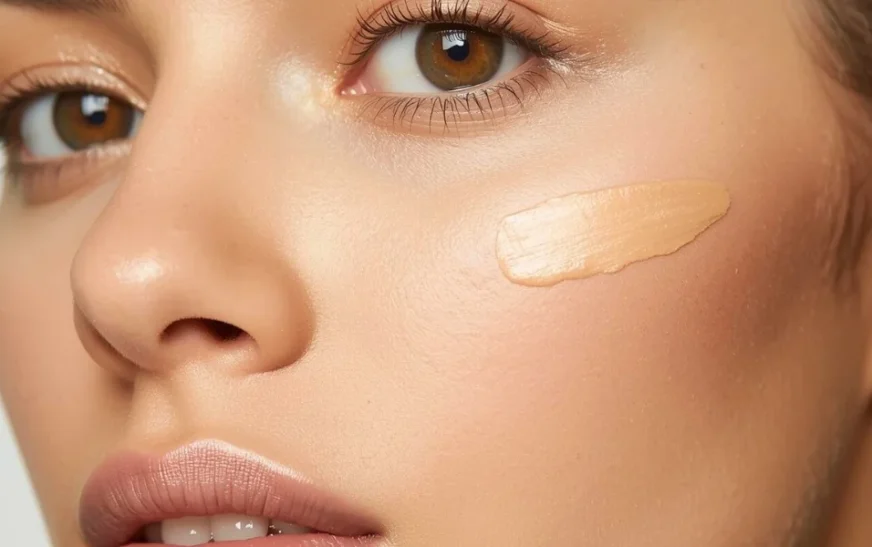
Makeup longevity is one of the most common beauty concerns worldwide. Whether you’re heading into a full workday, attending a wedding, filming content, or spending hours outdoors, the goal is the same: makeup that looks fresh, even, and comfortable for as long as possible. The problem is that makeup doesn’t behave the same way on every face. Wear time depends on skin biology, cosmetic chemistry, environment, and daily habits. Understanding how these factors interact helps set realistic expectations and prevents unnecessary frustration.
How Long Does Makeup Last on Face?
On average, makeup lasts 6 to 12 hours on the face. Some products begin to fade within a few hours, while long-wear formulas combined with proper skin prep can last up to 16 hours. Makeup doesn’t suddenly disappear; it gradually breaks down due to oil production, sweat, humidity, facial movement, and friction throughout the day.
That is why two people using the same product can have completely different results. Longevity is not just about the makeup itself, but also about how it interacts with the skin and the environment.
Average Makeup Wear Time by Product Type
| Makeup Product | Typical Wear Time | With Proper Prep |
| Foundation | 6–10 hours | 12–16 hours |
| Concealer | 6–8 hours | 10–14 hours |
| Powder Blush | 8–12 hours | 12+ hours |
| Cream Blush | 4–8 hours | 8–10 hours |
| Eye Shadow | 6–10 hours | 12–24 hours |
| Mascara | 8–12 hours | All day |
| Lipstick | 4–8 hours | 8–12 hours |
Liquid and cream formulas tend to break down faster than powders because they interact more with sebum, heat, and humidity.
Why Makeup Fades, Melts, or Separates
Makeup failure usually follows predictable patterns:
- Sebum production: Natural skin oils dissolve pigments and weaken makeup adhesion, especially when formulas aren’t compatible.
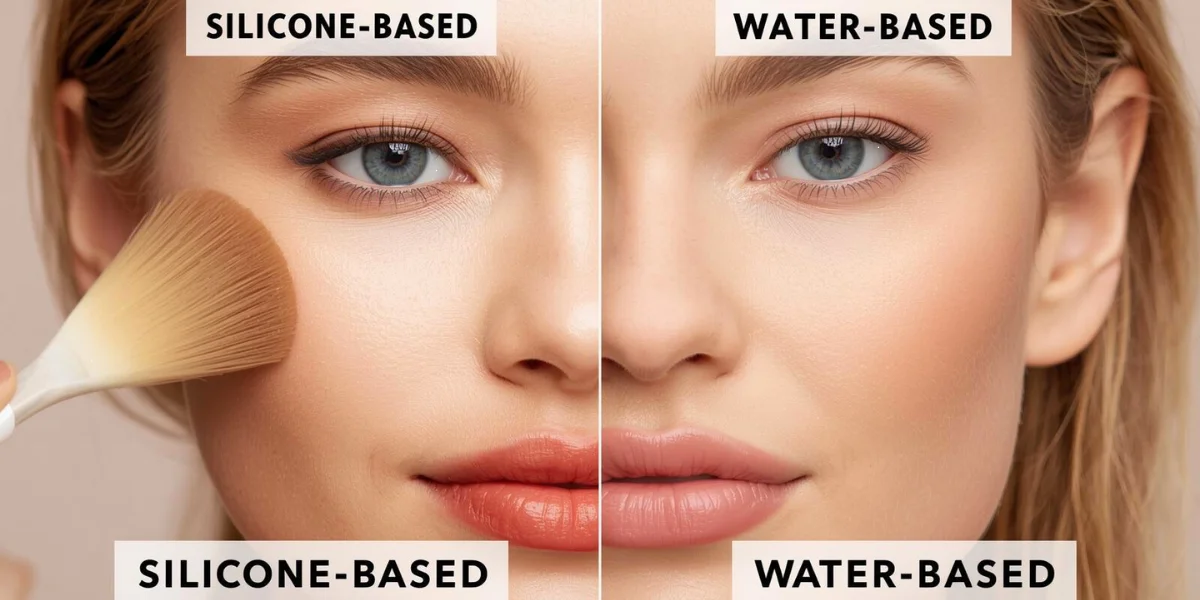
- Oxidation: Foundation pigments can darken when exposed to oil and air, a common issue in silicone vs. water-based makeup
- Heat and humidity: Sweat and moisture cause makeup to slide, crease, or separate.
- Facial movement: Smiling, talking, and blinking create friction in high-movement areas.
It explains why makeup often fades first on the nose, chin, under-eyes, and around the mouth.
Makeup Longevity by Skin Type
Oily skin
- Makeup often lasts 4–8 hours without oil control
- Matte finishes, blotting, and setting powders help extend wear
Dry skin
- Makeup may last longer, but it can look patchy or flaky
- Lightweight hydration improves appearance and comfort
Combination skin
- Different areas break down at different rates
- Targeted priming and setting are most effective
Normal skin
- Most stable makeup wear overall
- Balanced oil and moisture support better longevity
Matching formulas to skin type is more important than choosing expensive products.
Climate and Lifestyle Effects on Wear Time
Environmental exposure plays a major role in makeup longevity:
- Hot or humid climates: Faster breakdown, more transfer
- Dry climates: Longer wear, but higher risk of cracking
- Cold weather: Makeup tends to last longer, but oxidation can be more noticeable
Lifestyle also matters. Long work shifts, commuting, mask-wearing, weddings, filming, and travel all increase friction, sweat, and oil production, which shortens makeup wear time.
How to Make Makeup Last Longer (Step-by-Step)
- Start with clean skin
Remove oil, sweat, and residue before applying makeup.
- Use a balanced skincare routine
Lightweight moisturiser improves makeup adhesion. Overusing heavy creams reduces wear time.
- Apply primer strategically
Apply a mattifying primer to oily areas and a hydrating primer to drier zones.
- Build makeup in thin layers
Thin layers adhere better and resist breakdown longer than heavy applications.
- Set selectively
Powder only where needed to control oil without looking cakey.
- Finish with setting spray
Setting spray creates a flexible film that helps lock makeup in place.
- Blot before touching up
Blot excess oil first to avoid buildup and separation.
Long-Wear Makeup: Pros and Cons
Pros
- Fewer touch-ups during the day
- Better durability for long events and work shifts
- Improved performance in photos and videos
Cons
- Can feel heavier on the skin
- Requires thorough makeup removal
- Overuse may clog pores if formulas aren’t non-comedogenic
Brands like Estée Lauder, L’Oréal, and Maybelline invest heavily in long-wear cosmetic chemistry, but technique still determines real-world performance.
Real-Life Scenarios and Wear Expectations
- Office workday: 8–10 hours with minimal touch-ups
- Wedding or event: 10–16 hours with primer and setting spray
- Hot outdoor conditions: 4–8 hours without oil control
- Filming or photography: Long-wear formulas are essential
Understanding the situation helps set realistic expectations and product choices.
When Makeup Lasts the Shortest
Makeup tends to break down fastest on very oily skin without proper prep, in high humidity or heavy sweating, when mixing incompatible formulas, or when using expired or degraded products. Early creasing, separation, or fading usually indicates a mismatch between skin type and formula.
Skin Health and Safety Considerations
Long-lasting makeup is not harmful by itself. Issues arise when makeup isn’t removed properly. Always cleanse thoroughly at the end of the day to protect the skin barrier. Expired makeup can also reduce wear time and increase irritation, making makeup look worse rather than better.
FAQ’s
Q: How long does makeup last without primer?
Usually 4–6 hours. Primer significantly improves longevity.
Q: Can makeup last all day without touch-ups?
Yes, with proper prep and long-wear formulas.
Q: Does expensive makeup last longer?
Not always. Formula compatibility matters more than price.
Q: How long does makeup last on oily skin?
Typically, 4–8 hours without oil control.
Q: Is long-wear makeup bad for skin?
No, as long as it’s removed properly.
Q: Why does my makeup oxidise during the day?
Pigments react with oil and air over time.
Q: How often should makeup be reapplied?
Light touch-ups every 4–6 hours are usually enough.
Conclusion
Makeup generally lasts 6 to 12 hours, but longevity depends on skin type, environment, product choice, and application technique. When those factors align, makeup stays fresh, comfortable, and natural-looking throughout the day. Understanding why makeup breaks down, and how to prevent it, helps you choose the right products, avoid unnecessary touch-ups, and maintain healthy skin.