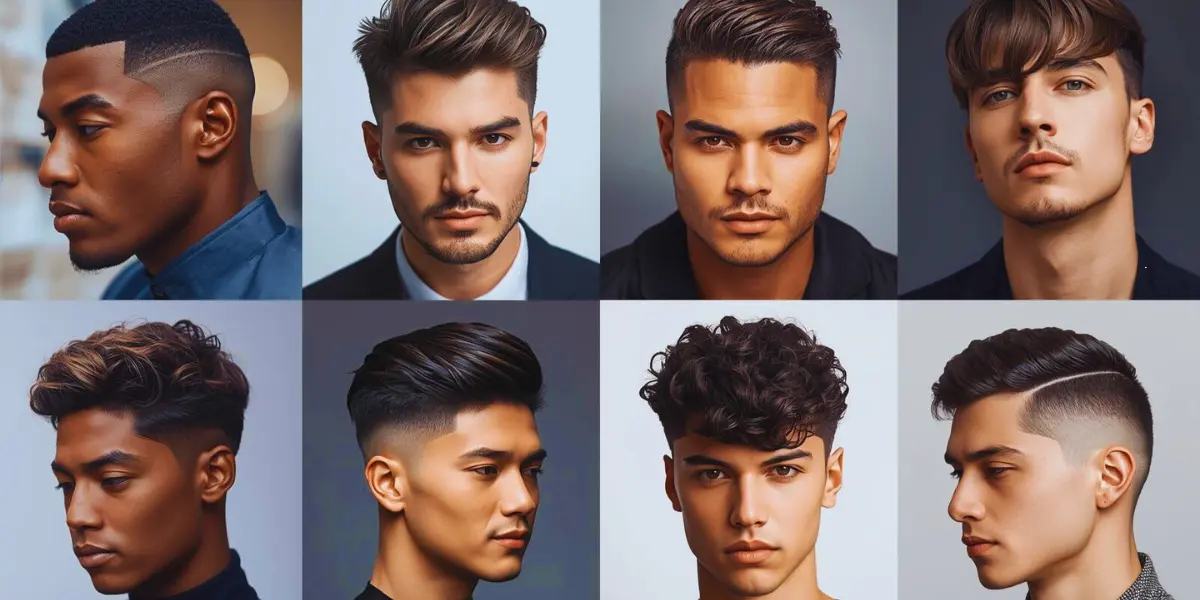

Getting the haircut you want often depends on how clearly you explain it. Many people walk into a barbershop and ask for a “fade,” only to leave with a style that looks completely different from what they imagined.
A low fade haircut is one of the most popular men’s grooming styles, but explaining it correctly matters. Knowing the right barber terminology, clipper guard numbers, and styling options helps you communicate clearly and avoid disappointment.
This guide explains exactly what to say to your barber, how fades work, and how to choose the right low fade for your hair and face shape.
What Is a Low Fade Haircut?
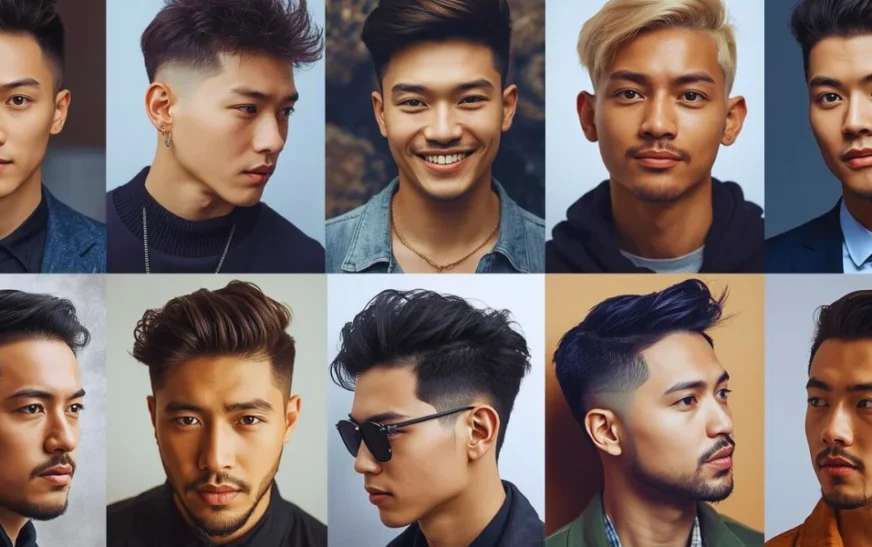
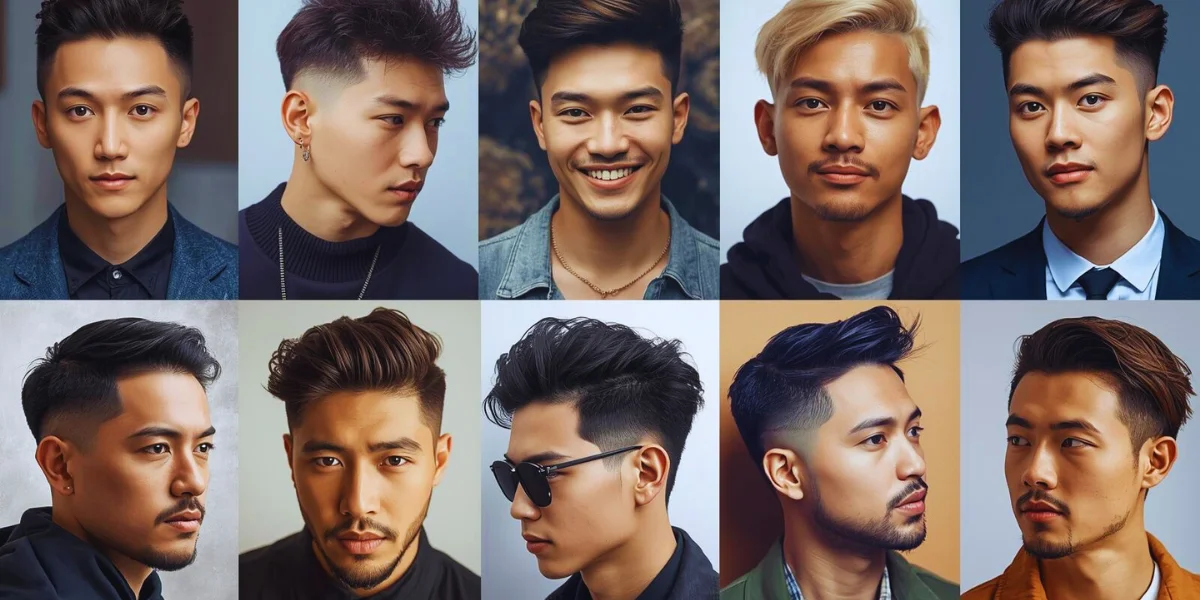
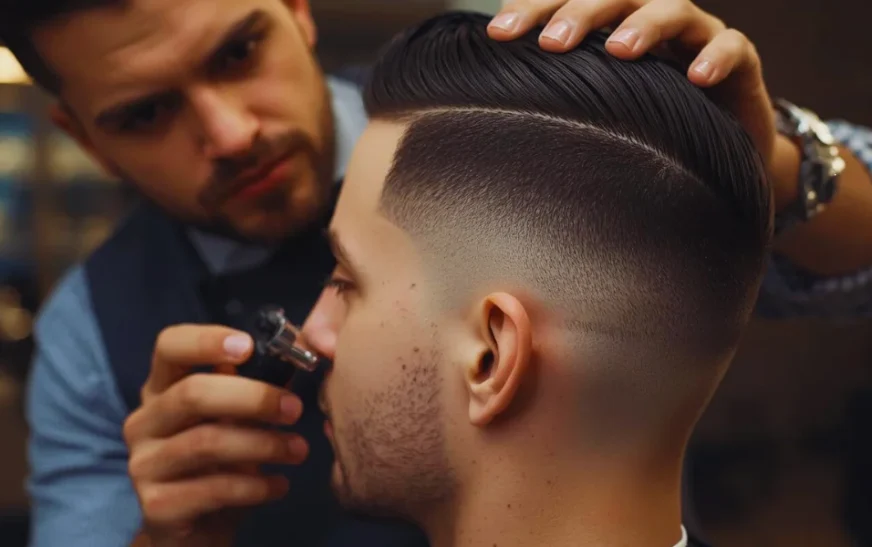
A low fade haircut is a style where the hair gradually transitions from very short near the neckline to longer hair higher on the head. The fade begins just above the ears and around the nape, creating a subtle and clean gradient. This technique also works well as a fade haircut for asian hair, since the gradual blend helps manage thick, straight hair textures while keeping the style neat and balanced.
Unlike a mid fade or high fade, the low fade keeps most of the hair length intact while still giving the sides a sharp, modern finish.
Key Characteristics
- Fade starts just above the ears
- Smooth hair blending from short to long
- Works with many hairstyles
- Professional and versatile look
This type of fade works well with styles like a textured crop, a crew cut, a pompadour, or a side part.
How to Ask Your Barber for a Low Fade
The easiest way to ask for this haircut is to be specific about the fade height, top length, and clipper guard numbers. Follow these simple steps when talking to your barber.
- Start by Saying “Low Fade”
Tell your barber clearly that you want the fade to begin low on the head.
Example
“I’d like a low fade haircut.”
This tells the barber that the fade should start near the ears instead of higher up.
- Specify the Length on Top
The top hair length determines the overall style. Some people want a short textured top, while others prefer longer hair for styling, especially if they are interested in textured haircuts for men that add movement and volume to the hair.
Examples
- 1–2 inches for a short crew cut
- 2–3 inches for a textured crop
- 4+ inches for a pompadour or quiff
You might say:
“Keep about three inches on top with texture.”
- Mention Clipper Guard Numbers
Barbers use clipper guards to control hair length. Mentioning the guard number helps avoid cutting the hair too short.
Common fade combinations:
| Guard Number | Result |
| #0 | Skin fade |
| #1 | Very short |
| #2 | Short but visible |
| #3 | Medium length |
Example Request
Begin with a #0 or #1 guard at the bottom and gradually blend it into a #2 guard for a smooth transition.
- Choose the Neckline and Hairline
Your barber will shape the neckline and hairline using a razor trimmer.
Popular options include:
- Tapered neckline – natural look
- Rounded neckline – softer shape
- Squared neckline – sharp finish
A common request is:
Keep the neckline natural and tapered.
- Show a Reference Photo
One of the best ways to avoid confusion is to show a photo of the haircut you want.
Hair texture, density, and head shape can affect how a fade looks. A reference photo helps the barber match your expectations.
Fade Guard Numbers Explained
Understanding guard numbers helps you make better haircut decisions.
| Guard | Hair Length |
| #0 | Skin / bald |
| #1 | 1/8 inch |
| #2 | 1/4 inch |
| #3 | 3/8 inch |
| #4 | 1/2 inch |
Most low fades begin with a #0 or #1 guard at the base and gradually transition upward into longer lengths.
Low Fade vs Other Fade Types
Many people confuse low fades with other fade styles.
| Fade Type | Starting Point | Style Look |
| Low Fade | Above ears | Subtle and clean |
| Mid Fade | Temple area | Balanced |
| High Fade | Near crown | Bold contrast |
| Taper Fade | Only neck & sideburns | Very subtle |
If you want a haircut that looks neat but not too dramatic, a low fade is usually the safest option.
Popular Low Fade Haircut Styles
A low fade can be combined with many hairstyles.
Low Fade with Textured Crop
Short layers on top create a modern, messy look. Works well for thick hair.
Low Fade with Pompadour
Longer hair on top styled upward using pomade or hair clay.
Low Fade with Curly Hair
Helps control volume while keeping natural curls visible.
Low Fade with Side Part
A classic men’s grooming style that works well for professional settings.
How to Choose the Right Low Fade for Your Face Shape
Different face shapes suit different hairstyles, so choosing the right variation can make a low fade look even better. For example, people with a round face usually benefit from adding more height on top to create a longer appearance.
Those with an oval face are fortunate because most hairstyles work well with this balanced face shape. If you have a square face, styles like a textured crop or a quiff complement the strong jawline nicely.
Meanwhile, individuals with a diamond-shaped face often look best with a side part fade that balances the forehead and cheekbones. A skilled barber may also adjust the blending and tapering technique based on your hair density, texture, and overall head shape to ensure the haircut looks natural and well-balanced.
Common Mistakes When Asking for a Fade
Many haircut problems happen because the instructions were unclear.
Avoid these mistakes:
- Saying only “give me a fade”
- Not specifying the top length
- Ignoring clipper guard numbers
- Not bringing a reference photo
- Waiting until the haircut ends to request changes
Clear communication is the best way to prevent a bad haircut.
How Often Should You Get a Low Fade?
Fades grow out quickly because the sides are very short.
Most people refresh their haircut every 2–4 weeks to keep the fade sharp.
Using styling products like hair clay, pomade, or styling cream helps maintain the top hairstyle between barber visits.
FAQ’s
Q: How do I ask my barber for a low fade?
Tell your barber you want the fade to start just above the ears and gradually blend upward. Specify the top hair length and clipper guard numbers for the sides.
Q: What number is a low fade?
A low fade typically begins with a #0 or #1 guard at the bottom and blends smoothly into a #2 or #3 guard toward the top.
Q: Where does a low fade start?
A low fade begins just above the ears and around the neckline, creating a smooth transition from short to longer hair.
Q: Is a taper the same as a low fade?
No. A taper fade only shortens hair near the neckline and sideburns, while a low fade blends higher up the sides.
Q: Is a low fade good for curly hair?
Yes. A low fade works well with curly hair because it reduces bulk on the sides while keeping the natural curls on top.
Q: How long does a fade haircut last?
Most fades stay sharp for about 2–3 weeks before the hair begins to grow out.
Q: Can you get a low fade with long hair?
Yes. Many styles combine long hair on top with a low fade, including pompadours, textured crops, and undercuts.
Conclusion
A low fade haircut is one of the most versatile and popular men’s hairstyles. It offers a clean, professional appearance while still allowing plenty of styling options.
To get the exact look you want, remember these simple steps:
- Clearly ask for a low fade
- Specify the top hair length
- Mention the clipper guard numbers
- Choose a neckline style
- Show a reference photo
With clear communication and a skilled barber, getting the perfect low fade becomes simple, and your haircut will look sharp every time.